
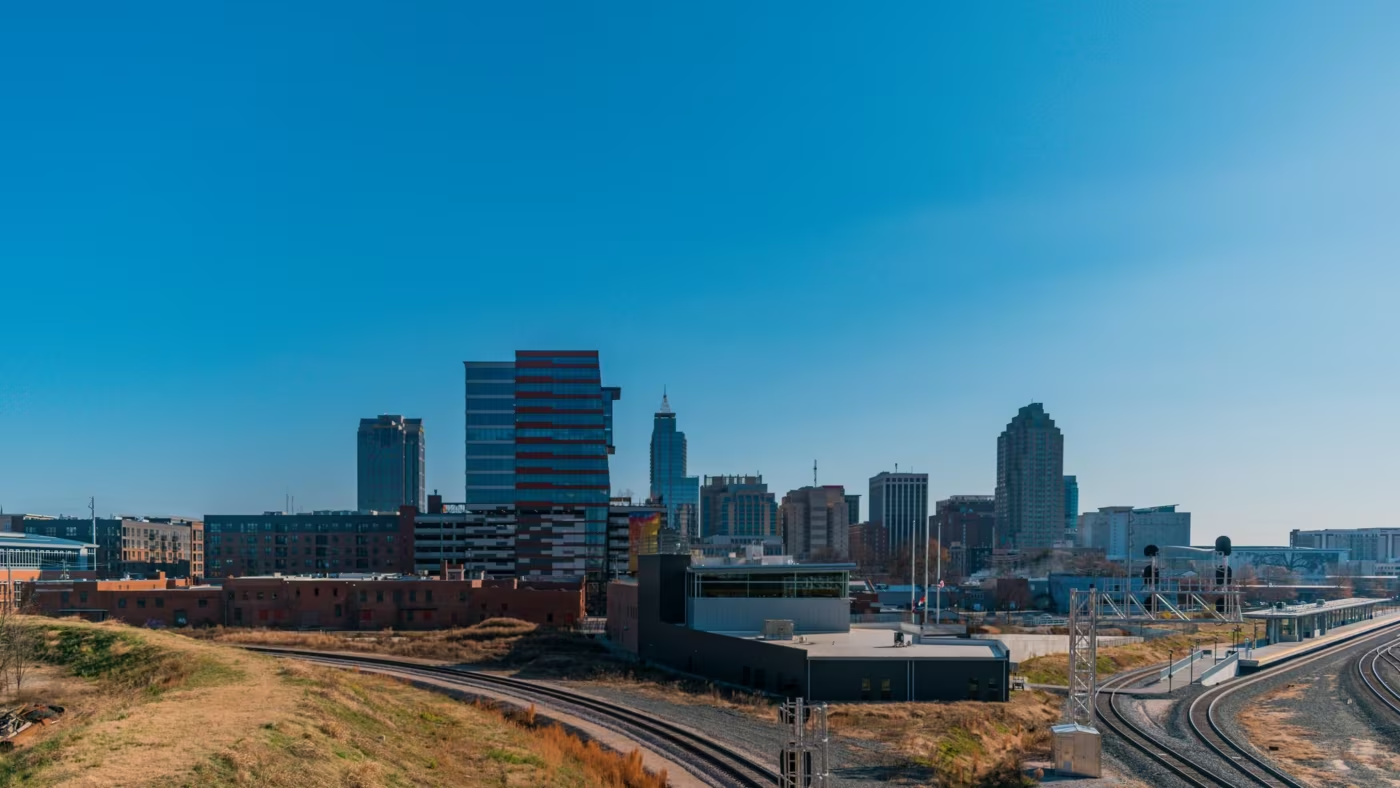
Every year, thousands of postdocs, engineers, and physicians choose moving from Boston to Raleigh, trading New England’s steep costs and long winters for the opportunities of North Carolina’s Research Triangle. The appeal is straightforward: a salary that stretches further, a home with real space, and a career that can grow at its own pace. Below is what that move actually involves, from housing and jobs to protecting your life’s work in transit.
The Academic “Brain Drain”: Why Talent Is Leaving New England
For decades, Boston sat at the center of higher education and medical research. With Harvard, MIT, and a cluster of world-class hospitals, it was the default home for ambitious professionals. In 2026, that picture is shifting.
The cost of staying has become hard to justify for many mid-career researchers and growing families. Postdoc salaries have stayed flat while local real estate climbs every year. Add a rigid institutional culture, and talented people start looking south for a better balance.
The pandemic years sped things up. Remote and hybrid roles let many researchers and engineers live where their money goes further, and North Carolina kept hiring. What started as a trickle of relocations is now a steady stream of Boston talent heading down I-95.
The Research Triangle, made up of Raleigh, Durham, and Chapel Hill, has become the obvious landing spot. The region pairs respected universities such as Duke, UNC-Chapel Hill, and NC State with heavy biotech and tech investment. Just as important, the cost of living here leaves room to save, invest, and enjoy your time off.
Cost of Living: Getting More From Your Paycheck
For most people we help, the finances settle the decision. The gap between Massachusetts and North Carolina is wide, and you feel it within the first month.
Here is what shifts once you settle in the Triangle:
- Taxes: North Carolina’s tax structure is friendlier to salaried professionals and entrepreneurs, so a larger share of your income stays with you.
- Groceries and daily essentials: Everyday costs drop noticeably, from a gallon of milk to a nice dinner out.
- Transportation: No more pricey MBTA passes, downtown parking fees, or city tolls. You will need a car in Raleigh, though fuel and insurance both run cheaper in the South.
- Childcare: In Boston, daycare can rival college tuition. In North Carolina, quality daycares and after-school programs are easier to find and far more reasonable.
There is a longer-term payoff too. Lower monthly costs make homeownership realistic on a single academic or engineering salary. Building equity in a house you actually enjoy is a very different picture from renting indefinitely in Greater Boston.
The result is simple. Relocating to Raleigh usually means you stop choosing between saving for retirement, paying down student loans, and enjoying your weekends. There is finally room for all three.
The Housing Market: From Cramped Brownstones to Room to Breathe
The real estate upgrade is what surprises people most. In Boston, a budget near $700,000 might buy a dark one-bedroom condo in an aging brownstone with no parking. In the Raleigh-Durham area, that same budget opens the door to a completely different lifestyle.
What Your Budget Buys in Raleigh-Durham
- Space to breathe: A three or four-bedroom family home with a modern kitchen, a dedicated home office, a two-car garage, and a real backyard.
- Strong public schools: The Wake County Public School System ranks among the best in the nation, so you can skip steep private school bills and still give your children an excellent education.
- Modern comforts: Central air conditioning (essential in the South), open floor plans, and neighborhood extras like community pools and walking trails.
Best Neighborhoods in Raleigh for Families
A few suburbs come up again and again with relocating professionals, mostly for their schools, safety, and short commutes to the Research Triangle Park:
- Cary: Polished, family-focused, and consistently rated one of the safest towns in the country.
- Apex: A charming downtown, newer housing, and a strong sense of community.
- Holly Springs: Rapid growth, great parks, and solid value for young families.
- Morrisville: The closest to RTP and RDU airport, ideal if you want a short daily drive.

Jobs and Economy: A Different Kind of Industry
Moving from Boston’s academic world to the Research Triangle feels like stepping out of a well-preserved museum and into a working lab. Both are impressive. Only one moves quickly.
Prestige vs. Agility
Boston’s academic and biotech scene carries real prestige, yet it can be bureaucratic and slow. Advancement often takes years, and institutional red tape wears down researchers who simply want to build.
The Research Triangle Park (RTP) runs on a different rhythm. As the largest research park in the United States, it is home to more than 300 companies, including Apple, Google, Cisco, and Biogen, plus a deep bench of startups.
- Ideas cross over easily: Professors at NC State or Duke regularly work alongside biotech startups a few minutes down the road.
- Faster career growth: Engineers, clinical researchers, and tech professionals often move up more quickly here than inside New England’s older hierarchies.
- Modern workplaces: Instead of a century-old brick building with patchy heating, you get updated campuses with outdoor workspaces, on-site gyms, and genuinely good cafeterias.
Demand is especially strong in a few fields. Biotech and pharmaceutical research, software and data engineering, clinical trials, and medical device work all hire steadily across the Triangle. If your background sits anywhere near those areas, you are arriving in a market that wants you.

Lifestyle: Settling Into Southern Charm
The cultural shift is real, and it tends to land in your favor. Trading the fast, reserved rhythm of New England for the warmth of the South takes a short adjustment, and most people grow to love it.
What Changes When You Move South
- A calmer pace: Boston runs on rush hour and quick coffee. In North Carolina, people slow down enough to actually enjoy the day.
- Friendlier neighbors: Strangers say hello, people chat in the grocery aisle, and Southern hospitality shows up in small, sincere ways.
- New flavors: You may miss clam chowder, but you gain Eastern and Western Carolina barbecue, farm-to-table dining in Durham, and cold sweet tea on a hot afternoon.
- Gentler weather: No more digging your car out in February. Summers run warm and humid, winters stay mild, and the springs and autumns are long and pleasant.
Weekends open up in a way they rarely did in Boston. The Blue Ridge Mountains sit a few hours west for hiking and cooler air, and the Outer Banks stretch along the coast to the east. Closer to home, Raleigh’s greenway network connects hundreds of miles of trails through the city. You trade a short, expensive summer for a long outdoor season.

Moving Your Life’s Work: Specialized Packing
Academics, engineers, and medical professionals rarely move an ordinary household. You are moving the tools of your career, and they need real care. At Long Distance Moving Experts, we treat that work with the attention it deserves.
- Large personal libraries: Standard boxes buckle under a serious book collection. We use reinforced book boxes built for density, so spines and pages arrive intact.
- Home labs and medical gear: Microscopes, measuring instruments, and biotech equipment cannot ride loose in a truck. We build custom wooden crates sized to your items, then pack them with shock-absorbing material to prevent vibration damage.
- IT infrastructure and servers: For professionals headed to RTP, your hardware is your livelihood. We pack and transport servers, multi-monitor setups, and hard drives so they reach your new home office ready to run.
- Full-service packing: Wrapping up a research grant instead of wrapping dishes? Our team can manage the entire process, from bubble-wrapping delicate electronics to cataloging your library.
This is the part of a move where experience shows. Sensitive equipment fails quietly when it is packed by someone who treats every box the same, and our crews are trained to notice the difference.

Car Shipping to North Carolina
Boston rewards you for skipping a car. Raleigh does the opposite. You will want your own vehicle to commute to RTP, reach the Blue Ridge Mountains on weekends, or drive out to the Outer Banks.
Rather than putting 700 miles of wear on your vehicle and losing days to the I-95 corridor, let us move it for you. Long Distance Moving Experts offers both open and enclosed auto transport to North Carolina. If you drive a luxury or classic car, our enclosed carriers shield it from the elements, and your vehicle is waiting in the driveway when you land at Raleigh-Durham International Airport (RDU).
Timing Your Move Around the Academic Calendar
If your work follows the academic year, timing matters. Grant cycles, teaching schedules, and lab handovers all cluster around the summer, which is exactly when moving demand peaks. Booking early protects both your preferred date and your budget, since summer slots on the Boston to Raleigh route fill fast.
If your schedule allows a late spring or early fall move, you will often find better availability and calmer logistics. Either way, a short planning call helps line up packing, transport, and delivery around the dates that actually work for your job.
Planning Your Move: Practical Tips
A cross-country move rewards early planning. A few things are worth doing well before moving day:
- Book early. The Boston to Raleigh route stays busy. Reserve your movers six to eight weeks ahead, especially in summer when the academic calendar turns over.
- Audit your belongings. Long-distance moves are priced by weight and volume. Digitize old files, donate what you no longer use, and sell heavy furniture that will not suit your new home.
- Transfer your licenses. Physicians and engineers should check North Carolina board requirements early and start the paperwork before arrival.
- Prepare for the climate. Pack away the heavy parkas, keep a light jacket, and plan for spring pollen, which is famously intense in the Carolinas.
Ready to Head South?
Moving your career, your family, and your life’s work from Boston to North Carolina is a big step, and it deserves a moving partner who respects what you are carrying. Trade the steep stairs, the high rent, and the hard winters for space, a growing career, and a bit of Southern comfort. When you are ready, Long Distance Moving Experts can handle the heavy lifting, from your library to your car to your home lab, so your first week in the Triangle feels like a fresh start instead of a scramble.
FAQ
How long does a move from Boston to Raleigh take?
The route covers roughly 700 miles. Depending on the size of your shipment and the schedule, delivery usually lands within three to seven business days. Your coordinator provides a delivery window so you can plan your travel around it.
Is Raleigh really cheaper than Boston?
Yes. Overall costs run meaningfully lower, and housing drives most of the gap. The same budget buys far more square footage in Raleigh than in Boston, which is why so many families upgrade the moment they arrive.
Will my servers and lab equipment be safe in transit?
We do not treat sensitive equipment like ordinary furniture. Anti-static wrap, custom crates, secure strapping, and air-ride trucks protect your gear from moisture, static, and physical shock.
Should I drive or ship my car?
Driving the I-95 corridor means hotels, fuel, tolls, and fatigue. Shipping saves time, spares your car the mileage, and lets you fly down and arrive fresh for your new role.
What is the biggest culture change coming from New England?
Most people point to the friendliness and the slower pace. Small talk is normal, work-life balance is valued, and it usually takes only a few weeks to feel at home.
About the writer
Carl Mendes is a senior relocation advisor at Long Distance Moving Experts with over 15 years in the moving and logistics industry. A former travel guide turned relocation specialist, Carl brings a destination-first perspective to every city moving guide he writes - because understanding where you're going matters just as much as how you get there.
10 guides on this site